

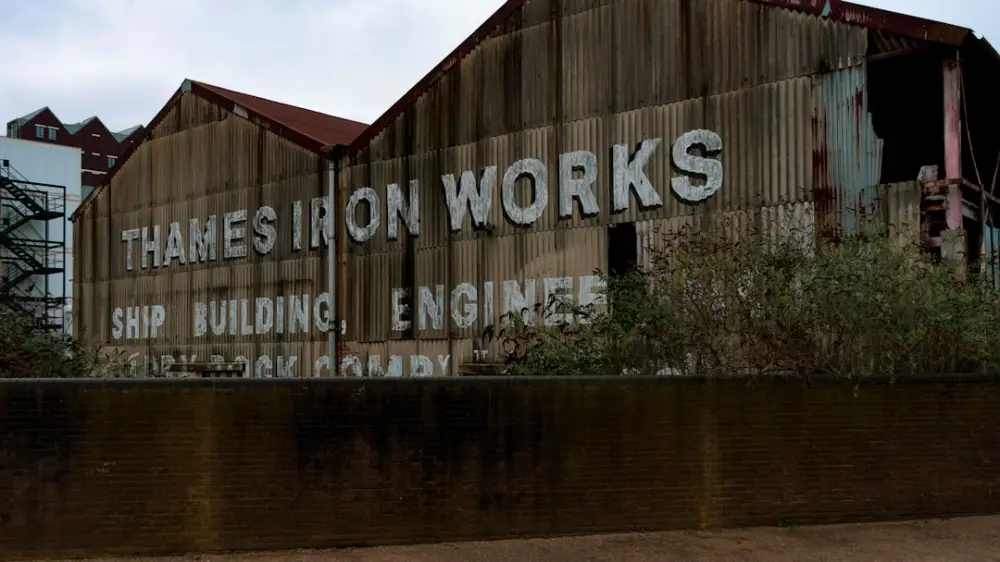
How digital maps are finally helping us find our local workshops
The Visibility Revolution in Industrial Spaces
For decades, the workshops and small-scale manufacturing units of Brooklyn existed behind heavy steel doors and unassuming brick facades. To the average resident, these spaces were often a mystery—a collection of buildings that hummed with activity but remained disconnected from the digital storefronts we use every day. However, a shift is occurring. Digital mapping technology is finally catching up with the industrial world, making it easier than ever for the community to find, support, and collaborate with local makers.
As we strive to preserve our industrial identity, visibility is our strongest tool. When a local woodworker, metal fabricator, or specialized printer becomes searchable on a smartphone, the barrier between 'industrial' and 'community' begins to dissolve. This guide explores how digital maps are transforming our local economy and provides actionable steps for both business owners and curious neighbors to better navigate the industrial landscape.
Why Workshops Have Historically Stayed Off the Map
Traditional retail businesses are designed for foot traffic. They have large windows, bright signage, and high-visibility locations. Workshops, by contrast, prioritize floor space, loading docks, and zoning requirements. Because they often don't rely on walk-in customers, many industrial businesses never felt the need to maintain a robust digital presence.
This lack of visibility created a 'dead zone' in many neighborhood maps. You might see a coffee shop on one corner and a luxury apartment building on the other, but the three blocks of vital manufacturing in between appeared as empty gray boxes on a screen. Today, as consumers seek out locally made goods and sustainable production, the demand for transparency has forced a change. Digital maps are no longer just for finding restaurants; they are the new yellow pages for the modern artisan.
How Makers Can Optimize for Local Discovery
If you run a workshop or small industrial business, being findable is about more than just a pin on a map. It’s about providing the right context so that potential partners and customers can find you. Here is how to ensure your workshop is visible to those who need your services:
- Claim Your Google Business Profile: This is the most critical step. Ensure your address, hours (even if by appointment only), and website are current.
- Use Specific Category Keywords: Instead of a broad term like 'Manufacturer,' use specific niches such as 'Custom Furniture Maker,' 'Textile Printer,' or 'Architectural Metalwork.' This helps the search algorithm match you with specific queries.
- Upload High-Quality Photos of the Process: People are drawn to the 'how' of making. Photos of your machinery, raw materials, and finished projects tell a story that a simple logo cannot.
- Verify Your Location with Local Directories: Ensure your information is consistent across platforms like Apple Maps, Bing, and specialized industrial directories. Inconsistency can hurt your search ranking.
- Highlight 'Open Studio' Days: If you ever host public events or sales, use the 'Posts' feature on your digital map profile to announce these times to the neighborhood.
The Rise of Specialized and Community Mapping
While Google and Apple Maps are the standard, specialized mapping projects are playing a vital role in preserving industrial Brooklyn. These maps focus specifically on 'maker spaces' and 'production zones,' highlighting the interconnectedness of our local economy. These tools often categorize businesses by material—wood, metal, glass, food—making it easier for designers and architects to source materials locally.
By using these hyper-local maps, we can see the density of our industrial fabric. This data is invaluable for community advocates. When we can point to a map and show exactly how many jobs and businesses are contained within a single industrial block, it becomes much harder for developers to argue that these spaces are 'underutilized.'
A Practical Guide for the Industrial Explorer
If you are a resident looking to support local industry, finding these workshops requires a slightly different approach than looking for a pharmacy or a gym. Here is how to use digital maps to discover the makers in your backyard:
- Search by Material, Not Just Product: If you need a custom shelf, search for 'Hardwood Lumber' or 'Woodworking Studio' rather than 'Furniture Store.'
- Zoom Into Industrial Zones: Look for the clusters of buildings near transit hubs or waterfronts. Often, a single pin on a map represents a building that houses dozens of different workshops.
- Follow the 'Related Searches': Digital maps often suggest similar businesses nearby. This is a great way to discover a network of makers who collaborate with one another.
- Check Social Media Integrations: Many workshops link their Instagram profiles to their map pins. This provides a real-time look at what they are currently building.
Strengthening the Community Through Connectivity
When we map our workshops, we aren't just making it easier to buy things; we are reinforcing the social and economic bonds of the neighborhood. A visible workshop is a protected workshop. When the community knows that a world-class glassblower is working three blocks away, or that their favorite local restaurant gets its tables from the metal shop down the street, they are more likely to support policies that protect industrial zoning.
Digital maps are finally providing the transparency that our industrial districts have lacked for decades. By embracing these tools, we ensure that the 'working' part of Brooklyn remains a vibrant, visible, and essential part of our urban identity. Whether you are a maker or a supporter, taking the time to engage with these digital tools is a practical step toward a more resilient local economy.


The New Industrial Synthesis: Craft Meets Commerce in Brooklyn
The Echo of the Machine: Rethinking the Factory Floor
To walk through the industrial corridors of Brooklyn is to walk through a living history. There is a specific resonance in the air—a mixture of sawdust, ozone, and the rhythmic hum of machinery that has defined our borough for generations. For decades, the industrial sector was a world apart, a landscape of closed doors and heavy lifting where the raw materials of the world were transformed into the goods of our lives. But as the urban landscape shifts, we are witnessing a quiet revolution. The rigid walls between the workshop and the storefront are softening, giving way to what we might call the New Industrial Synthesis.
This synthesis isn’t merely an aesthetic choice or a trend in interior design. It is a profound shift in how we perceive the value of labor and the space it occupies. In the past, industry was often hidden away, separated from the community by zoning laws and heavy gates. Today, we are seeing the emergence of hybrid spaces—places where the act of making is proudly displayed, where the craft is as much a part of the experience as the final purchase. It is an introspective journey back to the heart of what it means to produce, to create, and to belong.
The Rise of the Hybrid: Where Making Meets Meaning
The concept of a hybrid space is simple in theory but complex in its execution. It is a building that refuses to be just one thing. It is a woodshop that hosts community workshops; it is a textile mill with a small front-facing boutique; it is a metal fabricator that shares its roof with a local roastery. These spaces are bridging the gap between the producer and the consumer, creating a dialogue that had been lost in the age of mass production and global supply chains.
When we step into these hybrid environments, we are invited to witness the process. We see the sparks fly from the welder’s torch; we hear the hiss of the steam iron; we smell the raw cedar. This transparency does more than just sell a product; it restores a sense of dignity to the industrial worker. It reminds the community that the items we use every day are the result of human skill, patience, and tradition. In this synthesis, commerce becomes an extension of craft, rather than its replacement.
Bridging the Gap Between Production and Presence
Why is this shift happening now? Perhaps it is a reaction to the digital fatigue of the modern age. In a world of intangible services and ephemeral clicks, there is a deep, human longing for the tactile. We want to know where things come from. We want to know that the hands that made our furniture or our clothes belong to someone in our own neighborhood. The hybrid model allows industrial businesses to survive in an era of rising rents by diversifying their income, but it also allows them to thrive by becoming cultural anchors.
- Economic Resilience: By combining wholesale manufacturing with retail or experiential offerings, industrial businesses can better navigate the fluctuations of the local market.
- Educational Opportunities: Hybrid spaces often serve as informal classrooms, where the next generation can observe trades that are no longer taught in standard curricula.
- Cultural Preservation: These spaces keep the "industrial" in Industrial Brooklyn, preventing the neighborhood from becoming a sterile collection of residential towers.
- Community Integration: When a factory opens its doors to the public, it ceases to be a mysterious monolith and becomes a neighbor.
The Human Element: Weaving the Community Back Together
At its core, the New Industrial Synthesis is about people. It is about the welder who is also a mentor, the designer who is also an educator, and the resident who finds a sense of pride in the productivity of their block. When we preserve industrial spaces by allowing them to evolve into hybrid forms, we are preserving the very soul of the working class. We are ensuring that Brooklyn remains a place where things are built, not just consumed.
There is a certain introspection required of us as we look at our changing streets. We must ask ourselves: what do we lose when we trade a workshop for a luxury lobby? We lose the grit, yes, but we also lose the ingenuity. The hybrid space offers a middle ground—a way to embrace the modern economy without turning our backs on our industrial heritage. It allows for a commerce that is rooted in place, a commerce that respects the rhythm of the machine as much as the convenience of the customer.
A Vision for the Future: Sustaining the Industrial Spirit
As we look toward the future of Save Industrial Brooklyn, we must advocate for policies and mindsets that support this synthesis. It is not enough to simply "save" a building; we must foster the ecosystem that allows the work inside to remain relevant. This means rethinking zoning, supporting small-scale manufacturers, and celebrating the entrepreneurs who are brave enough to mix the grease of the factory with the grace of the gallery.
The New Industrial Synthesis is a testament to Brooklyn’s adaptability. It is a reminder that we do not have to choose between our past and our future. We can have both. We can walk through a neighborhood that feels vibrant and modern, while still hearing the echoes of the machines that built it. By embracing these hybrid spaces, we are not just saving jobs; we are saving our identity as a community of makers, thinkers, and neighbors. We are ensuring that the story of Brooklyn remains a story of what is possible when craft and commerce walk hand in hand.
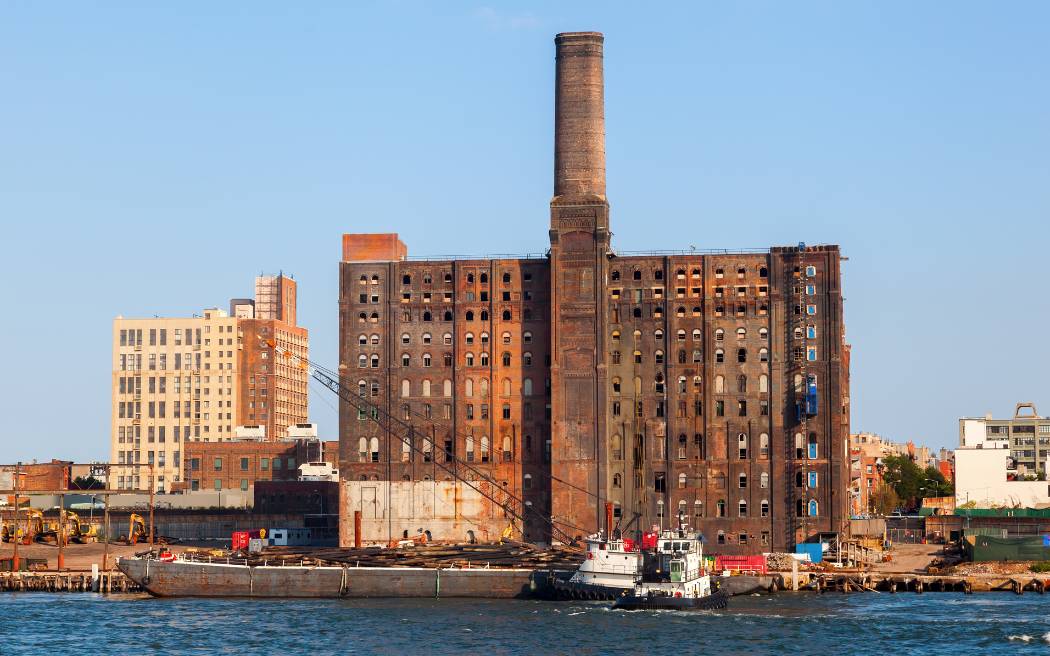
From Factories to Condos: The Fight to Save Brooklyn’s Working Class Spaces
Brooklyn’s industrial backbone once a global symbol of working-class grit and economic resilience—is being dismantled piece by piece. As warehouses and factories give way to luxury condos and boutique developments, the borough's blue-collar identity is under threat. The consequences of this shift reach far beyond aesthetics they cut into the economic lifeblood of the communities that built Brooklyn from the ground up.
Rezoning: A Double-Edged Sword
Rezoning has become a buzzword synonymous with progress. But in reality, these policies have too often favored luxury residential and commercial developers at the expense of industrial businesses. Once-vibrant manufacturing corridors are now dotted with construction cranes promising upscale living, while long-standing industrial tenants are priced out or forced to relocate.
For working-class Brooklynites, this means the disappearance of good-paying, accessible jobs that don’t require a college degree. These aren't just positions on factory floors they include careers in logistics, maintenance, food production, and light manufacturing that have traditionally offered economic mobility for immigrant and minority communities.
Gentrification’s Quiet Casualty: Industrial Heritage
Brooklyn’s industrial identity isn't just about jobs; it’s cultural. The borough’s industrial spaces tell the story of American innovation, wartime production, and generations of skilled labor. But as glass towers replace brick warehouses, we risk erasing that history along with the people still writing it today.
Local artists, fabricators, and craftspeople often rely on affordable industrial spaces to make a living. When those spaces are rezoned or demolished, creative industries suffer too. What remains is a city with less diversity not just economically, but culturally and socially.
Who’s Really Benefiting?
The narrative pushed by developers is that new condos bring growth and prosperity. But for whom? As industrial sites are converted into expensive residential complexes, low-income workers are pushed further to the margins geographically and economically. The tax base may grow, but if that growth is built on the displacement of thousands of working-class residents, can it truly be called progress?
What Needs to Happen
If Brooklyn is to remain a borough for all not just the affluent—policy must prioritize the preservation of industrial zones. This means creating protections for manufacturing businesses, offering incentives for industrial job creation, and resisting unchecked rezoning applications that favor high-end development over economic equity.
We also need public investment in infrastructure that supports industrial growth: better freight systems, upgraded utilities, and modernized zoning that reflects 21st-century manufacturing needs not just real estate speculation.
Conclusion: The Fight Isn’t Over
Brooklyn’s future shouldn’t be built solely on penthouses and coffee shops. The factories, warehouses, and workshops still have a vital role to play not only in our economy, but in our community identity. Preserving industrial spaces is about more than nostalgia; it’s about economic justice, sustainability, and giving future generations a chance at the same opportunities that built this borough.
Let’s stop treating industry like a relic of the past and start recognizing it as a pillar of Brooklyn’s future.
Industrial Spaces, Community Places: Reclaiming Brooklyn’s Urban Fabric
In the heart of Brooklyn, where glass towers rise and condos multiply, industrial spaces are quietly vanishing. Yet behind the hum of machinery and the clang of metal doors lies something irreplaceable community. Industrial spaces have long been more than just sites of labor; they’re ecosystems that support local economies, foster intergenerational skills, and anchor working-class stability. As rezoning and real estate pressures escalate, it’s time to recognize the vital connection between industrial preservation and community health.
The Dual Role of Industrial Zones
Industrial areas in Brooklyn once seen as gritty or transitional are, in fact, vital to the borough’s cultural and economic identity. These zones house small manufacturers, logistics hubs, creative artisans, and blue-collar innovators. But their influence doesn’t stop at the shop floor.
They provide:
- Stable, middle-income jobs for locals
- Training grounds for tradespeople and apprenticeships
- Affordable space for makers, fabricators, and startups
- Economic diversity that shields communities from gentrification volatility
When industrial spaces are rezoned for luxury housing or retail, entire ecosystems are displaced — not just tenants.
Community Displacement: The Collateral Damage
The loss of industrial zones often results in a cascade of unintended consequences:
- Job loss among working-class residents
- Increased economic inequality and job polarization
- Displacement of family-owned businesses that have existed for generations
- Disruption of supply chains for other local industries
What begins as a zoning change ends as a socio-economic shift, eroding the roots of entire neighborhoods.
Rethinking Industrial Land Use as Public Good
We must rethink industrial land as a public infrastructure asset, not a placeholder for luxury development. Just like schools, parks, and transit, productive industrial land plays a critical role in shaping inclusive, resilient urban economies.
Policy interventions that could preserve this balance include:
- Industrial Business Zones (IBZ) protections
- Incentives for light manufacturing and clean tech tenants
- Community Land Trusts for industrial sites
- Rent stabilization for industrial tenants
- Zoning that supports hybrid spaces: work, produce, and live
Towards an Equitable Future for Brooklyn
"Community Places" aren’t always parks and cafes sometimes, they’re welding shops, packaging warehouses, and distribution centers. These spaces are where people find work, build businesses, and stay rooted in a rapidly changing city.
Preserving Brooklyn’s industrial corridors isn’t just about buildings. It’s about protecting the people and potential inside them.
What Communities Lose When Industry Leaves
In Brooklyn’s ever-changing skyline, rezoning is often hailed as a sign of progress. Glass towers rise, rents climb, and developers celebrate. But beneath the surface of this transformation lies a quieter, more destructive shift: the systematic erosion of Brooklyn’s industrial backbone.
Rezoning isn’t just a land use issue. It’s a community crisis. And the hidden costs go far deeper than most headlines suggest.
1. Loss of Living-Wage Jobs
Industrial jobs particularly in manufacturing, logistics, and repair offer accessible, stable employment to tens of thousands of Brooklyn residents. These are often union or skilled-labor positions that pay well without requiring a college degree.
When industrial zones are rezoned for residential or commercial use, these job centers disappear. The result? Fewer paths to economic security for working-class families and a rise in income inequality.
2. Displacement of Legacy Businesses
Rezoning often invites speculative buying and rent hikes that force out long-established businesses. Metal shops, food distributors, garment factories, and auto repair garages many of which have operated for decades simply can't compete with luxury developers.
These aren’t just businesses. They’re community anchors, often passed down through generations and employing local residents. Their loss represents not just economic damage, but cultural and historical erasure.
3. Weakened Local Supply Chains
Brooklyn’s industrial sectors keep New York City functioning. They produce food, build infrastructure, repair vehicles, and move materials. Pushing these functions out of the borough forces reliance on distant suppliers, increasing traffic, emissions, and vulnerability during crises.
Rezoning fragments these local supply chains. What used to be sourced down the street now arrives by truck from hours away, adding inefficiency, cost, and environmental strain.
4. Vanishing Pathways for Upward Mobility
In neighborhoods where college isn’t an option for everyone, industrial jobs have long served as stepping stones to the middle class. They provide training, apprenticeships, and career advancement.
Rezoning eliminates those pathways. What replaces them luxury condos, chain retail, or gig economy jobs—does not create the same upward trajectory. Instead, it locks residents out of the new economy built on land that once served them.
5. Erosion of Community Identity
Brooklyn’s working-class character was forged in its factories and warehouses. That history is now being overwritten in favor of a generic, upscale urban landscape.
When industry leaves, so does the soul of the neighborhood. Community ties weaken. Culture fades. The story of Brooklyn becomes less about the people who built it—and more about the people who bought it.
Conclusion: Rezoning Has a Price—And Brooklyn Pays It
It’s time to look past the surface-level benefits of rezoning and confront the long-term costs. Economic diversity, community identity, resilience, and opportunity are all on the line.
Brooklyn doesn't need to choose between progress and preservation. But without deliberate protection of industrial zones, the balance is already lost—and so are the people who made Brooklyn what it is.
Why Industrial Jobs Still Matter in a Changing Brooklyn
Brooklyn has evolved dramatically over the past two decades. Once dominated by factories and warehouses, much of the borough has transformed into a hub for tech startups, luxury housing, and creative industries. But amid this rapid urban change, one truth remains: industrial jobs still matter and now more than ever.
1. They Anchor Economic Diversity
Industrial sectors like advanced manufacturing, food production, logistics, and skilled trades create foundational economic resilience. These roles support a broad spectrum of income levels, counterbalancing Brooklyn’s increasingly service-dominated economy. Without them, the borough risks becoming economically mono-industrial, vulnerable to downturns in white-collar sectors.
2. They Provide Living-Wage Jobs Without Requiring a Four-Year Degree
Not everyone has access to college, and not every career requires it. Industrial jobs offer well-paying opportunities to those who are skilled, trained, and ready to work without incurring student debt. In an economy where upward mobility is increasingly tied to education, these roles level the playing field.
3. They Serve the City’s Essential Needs
From food distribution to building maintenance, from logistics networks to sustainable production, industrial workers keep the city running. Brooklyn’s industrial zones are responsible for much of the unseen infrastructure that keeps New York alive. Eliminating them undermines the city's functionality and emergency preparedness.
4. They Drive Innovation in Sustainability
Modern industry isn’t the polluting stereotype of the past. Many Brooklyn-based manufacturers are pioneers in green innovation, circular economy models, and carbon-neutral production. Local factories are adapting to build for the future—offering smart, sustainable alternatives to global supply chains.
5. They Create Local Multiplier Effects
For every industrial job, multiple secondary jobs are created in distribution, repair, services, and retail. Industrial employment doesn’t just help the worker, it sustains the broader community. When these jobs disappear, so do the businesses that depend on them.
Bottom Line: Brooklyn Needs Industry to Stay Brooklyn
The push to rezone and redevelop industrial land for luxury real estate might bring short-term profits but at long-term cost. If Brooklyn wants to remain economically diverse, socially inclusive, and truly self-sustaining, it must protect its industrial base. These jobs don’t just preserve the past—they shape a more equitable and resilient future.