
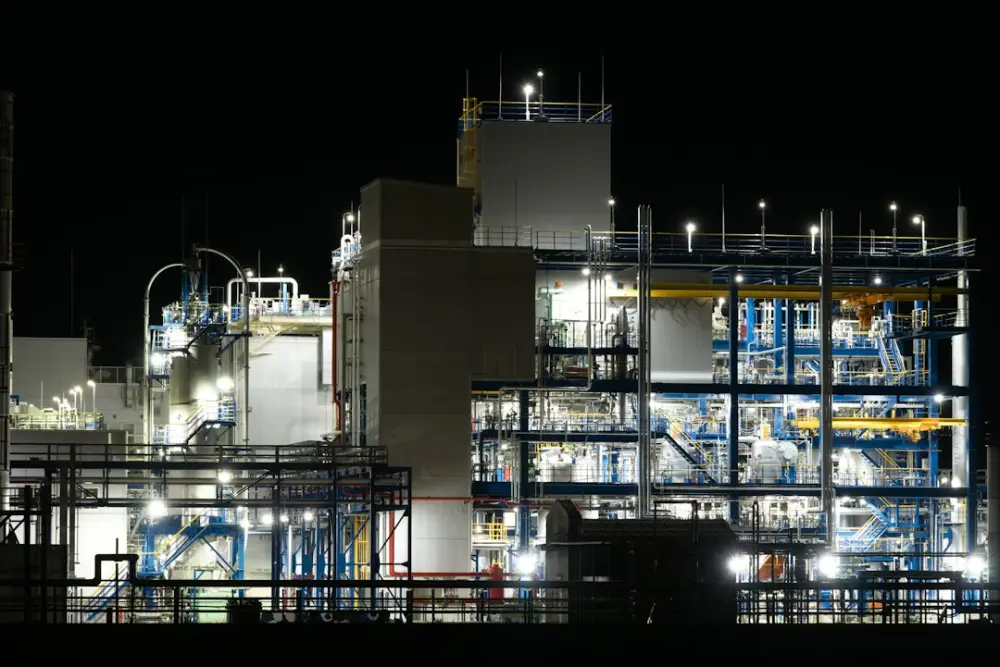
Brooklyn’s industrial landscape is undergoing a significant transformation in 2026. From the massive logistics hubs in Sunset Park to the boutique fabrication studios in East Williamsburg, the demand for high-level management has never been greater. As old warehouses are repurposed and new manufacturing facilities rise, the complexity of managing these spaces requires more than just technical knowledge. It demands a structured approach to leadership that ensures safety, productivity, and clear communication across various trades.
The role of a supervisor in an industrial or construction setting has evolved. It is no longer enough to simply be the most experienced person on the floor. Today, supervisors must navigate complex safety regulations, manage diverse teams with varying skill sets, and integrate new technologies into daily workflows. This shift toward professionalization is driving a greater emphasis on formal qualifications that prove a worker is capable of handling the responsibilities of a leadership position in a high-stakes environment.
The Essential Responsibilities of a Site Supervisor
A supervisor acts as the primary link between project management and the workforce on the ground. In the busy industrial corridors of Brooklyn, this means balancing the needs of property owners, contractors, and specialized laborers. The primary responsibility is the health and safety of everyone on site. This involves conducting daily briefings, identifying potential hazards, and ensuring that all work is performed in accordance with the latest safety protocols. Without a dedicated supervisor, even a well-funded project can quickly descend into chaos.
Beyond safety, the supervisor is responsible for resource allocation. This includes managing materials, tools, and, most importantly, time. In an environment where industrial space is at a premium, delays are incredibly costly. A supervisor must anticipate needs before they become bottlenecks. They are tasked with ensuring that the right people are in the right place at the right time, equipped with the correct information to complete their tasks efficiently. This requires a deep understanding of the technical aspects of the work being performed, as well as the ability to motivate and lead a team under pressure.
Competency Based Training and Professional Recognition
Formalizing the skills required for supervision is becoming a standard practice across the industry. While many workers gain their knowledge through years of experience, having a recognized qualification provides a clear benchmark of their abilities. In the current 2026 landscape, the construction and industrial sectors are increasingly looking for ways to standardize the quality of their leadership. Many professionals who oversee specialized trades find that achieving an Occupational Work Supervisor Level 3 NVQ serves as an essential step in formalizing their leadership capabilities on a global scale.
This type of assessment is competency-based, meaning it focuses on the actual work being performed rather than just theoretical knowledge. It requires candidates to demonstrate that they can handle real-world scenarios, such as managing site inductions, coordinating work activities, and maintaining health and safety records. For those working in Brooklyn’s diverse industrial communities, having such a qualification can be a significant advantage when bidding for contracts with international firms or larger developers who require high standards of documented competence. This article provides general information and does not constitute professional career or legal advice.
Safety Management in High Density Urban Environments
Managing an industrial site in a high-density area like Brooklyn presents unique challenges that are not found in more rural or suburban settings. Supervisors must be aware of the impact their work has on the surrounding community. This includes managing noise levels, controlling dust and debris, and ensuring that logistics and deliveries do not disrupt local traffic. The proximity of residential areas to industrial zones means that a supervisor’s oversight must extend beyond the physical boundaries of the site.
Internal safety is equally complex. Many of Brooklyn’s industrial spaces are older buildings that have been retrofitted for modern use. These structures can present unexpected challenges, from aging electrical systems to structural limitations. A supervisor must be adept at identifying these risks and implementing mitigation strategies. They are responsible for ensuring that all workers are trained on the specific equipment being used and that all machinery is maintained to the highest standards. In 2026, this also includes the oversight of digital safety monitoring systems that track worker movement and environmental conditions in real-time.
Technical Coordination Across Multiple Trades
Modern industrial projects rarely involve a single discipline. A typical site might have electricians, plumbers, steelworkers, and data technicians all working in the same space simultaneously. The supervisor’s job is to coordinate these moving parts to prevent conflicts and ensure a logical progression of work. This requires a high level of technical literacy. While the supervisor may not be an expert in every trade, they must understand the requirements and constraints of each one to build a cohesive schedule.
- Pre-work Coordination: Reviewing blueprints and technical drawings with all trade leads to identify potential clashes before work begins.
- Daily Stand-ups: Short, focused meetings to discuss the day's goals and any immediate obstacles.
- Quality Control: Inspecting work at various stages to ensure it meets the required specifications and standards.
- Conflict Resolution: Addressing disagreements between different teams regarding space, equipment use, or scheduling priorities.
Effective coordination also involves clear communication with the client or the project owner. The supervisor must be able to translate technical progress into clear updates, highlighting any risks to the timeline or budget. By acting as the central point of contact, the supervisor reduces the likelihood of misunderstandings that can lead to expensive errors.
Operational Efficiency and Resource Management
In the competitive Brooklyn industrial market, efficiency is the difference between a successful project and a failed one. Supervisors play a critical role in minimizing waste—both of materials and of human effort. This involves meticulous planning of material deliveries to ensure that the site is not cluttered, but also that workers are never waiting for supplies. Lean management principles are increasingly being applied to industrial supervision to streamline processes and improve outcomes.
Resource management also extends to the maintenance of tools and equipment. A supervisor ensures that a preventative maintenance schedule is in place, reducing the risk of unexpected breakdowns. They also monitor the usage of consumables to prevent shortages. By keeping a close eye on these details, the supervisor allows the skilled laborers to focus entirely on their craft, which naturally improves the quality of the final product. In 2026, many supervisors use specialized software to track these resources, providing data-driven insights into how the site is performing.
Adapting to New Industrial Technologies
The industrial sector is no longer purely mechanical. The integration of the Internet of Things (IoT), augmented reality (AR) for site walkthroughs, and automated inventory tracking has changed the day-to-day life of a supervisor. Staying current with these technologies is essential for anyone looking to lead in this space. A modern supervisor must be comfortable using digital platforms to record site data, report incidents, and communicate with stakeholders.
Technology also plays a role in training and development. Supervisors are often responsible for facilitating on-site training sessions, sometimes using VR headsets to simulate high-risk tasks before they are performed in reality. This proactive approach to skill building helps to create a more resilient and capable workforce. As Brooklyn continues to attract innovative companies and tech-driven manufacturing, the supervisors who can bridge the gap between traditional industrial expertise and new digital tools will be the ones who lead the community forward into the future.